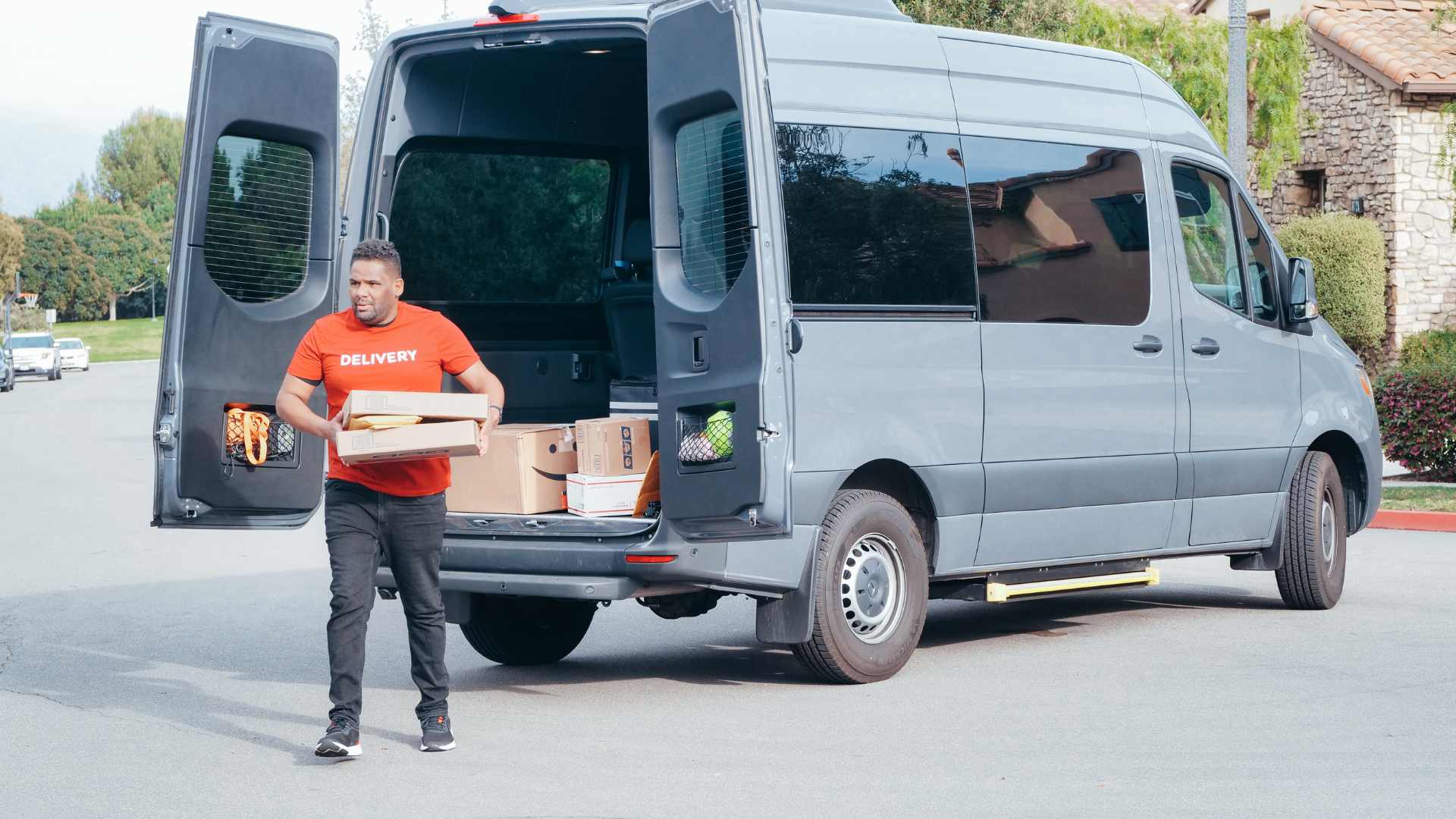
When it comes to mailing parcels, not every shipment travels at the same pace. In fact, the size and class of your parcel can significantly influence how long it takes to reach its destination.
Whether you’re a small business shipping products or an individual sending a gift, understanding these variables can help you manage expectations and your delivery strategy more effectively. Here’s how parcel size and class affect delivery time, and why making informed choices matters.
How Parcel Size and Class Affect Delivery Time?

1. Parcel Size: More than Just Dimensions
Small vs. Oversized Items
Smaller packages think envelopes, small boxes, or lightweight padded mailers move through postal networks quickly. They’re easier to sort, handle, and transport via mechanized systems. Conversely, oversized parcels necessitate manual handling, raising the possibility of minor delays at sorting hubs or transit points.
Weight Categories and Handling
Parcels are often categorized by weight: lightweight (up to 2 kg), medium (2–20 kg), or heavy (20 kg+). Heavier items may require special packaging or labeling and are more carefully inspected especially if crossing international borders, where customs protocols add further processing time.
Dimensional Weight Pricing
Carriers calculate shipping costs based on both actual weight and volumetric (dimensional) weight. Shipping a large but light object can take as long or longer than shipping a smaller, denser item primarily because it’s bulkier and usurps valuable cargo space, thus affecting sorting and transport efficiency.
2. Mail Class: Speed vs. Cost
Postal services commonly offer tiered classes like First Class, Second Class, and Economy which balance delivery speed against cost.
First Class
Prioritized with the fastest transit times, First Class usually guarantees next-day delivery across the UK. It’s ideal for urgent shipments but comes at a premium.
Second Class
A budget-friendly option that takes longer than First Class but is still reliable. For mail like letters or lightweight parcels, 2nd class stamps delivery time generally ranges from two to three working days, depending on origin and destination. For a detailed breakdown, check this guide: 2nd class stamps delivery time.
Economy or Standard Parcels
Designed for heavier or bulk shipments, this class is slower and more economical. Delivery times can stretch to five or more working days especially for oversized, international, or meticulously handled items.
3. How Size and Class Intersect?
Small Parcels in Economy Class
A tiny box in Economy may still deliver in under a week. Because of its form factor, it moves swiftly. Still, Economy class doesn’t offer the same priority as Second or First Class, so next-day or two-day delivery isn’t guaranteed.
Large Parcels in Express Class
Need it fast? Express service (or equivalent) trims delivery time significantly, even for big boxes. But this service usually costs more and often requires advanced booking or cut-off times.
Oversized Items in Lower Classes
Large, heavy parcels in Economy or Second Class endure the slowest transit time. They occupy more space, often require manual intervention, and move with lower priority.
4. Real-World Scenarios
E-commerce Shipments
An online seller sending out gadgets often uses Small Parcel services. When shipping via Second Class, most deliveries arrive in three to four days. Upgrading to First Class drops that to one or two days crucial for preserving customer satisfaction.
Gifts and Personal Mail
Carefully choose mail class based on urgency. If you’re sending a birthday gift, Second Class often strikes the right balance between cost and speed as long as you don’t procrastinate!
International Shipping
Overseas parcels introduce customs processing, which significantly lengthens delivery time. Size and class still matter for instance, a standard sized parcel sent via Express might reach Europe country in two to three days, versus up to a week or more in Economy.
Tips to Optimize Delivery Time

- Match size to service: Use small, sturdy packaging for light items. This helps you qualify for faster, cheaper classes.
- Choose the right class: Be intentional. If speed is essential, opt for First Class or Express. If cost matters more and your parcel isn’t urgent, go for Second Class or Economy.
- Send early: Avoid waiting until the last working day. Cut-off times often impact dispatch, especially during peak seasons.
- Track big parcels: Large or heavy shipments benefit from tracking and insurance reducing stress in case of loss or delay.
Conclusion
Your parcel’s size and class directly shape its delivery timeline. Small, light items move faster and cost less especially when sent using a thoughtfully chosen class. Second Class offers a cost-effective and dependable non-urgent solution, particularly for standard parcels. But for oversized or time-sensitive deliveries, upgrading ensures your item arrives sooner and with better handling.
By better understanding how parcel physicality and service class intertwine, you can save on costs, reduce delivery headaches, and ensure timely arrival no matter what you’re sending.
Leave a Reply